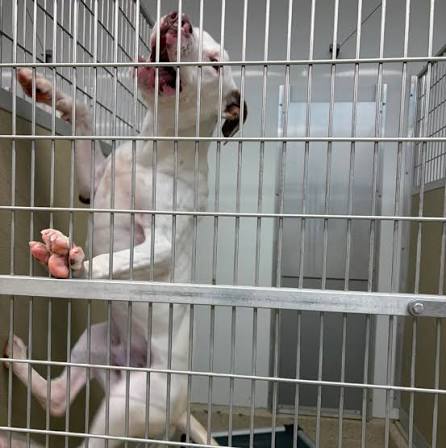
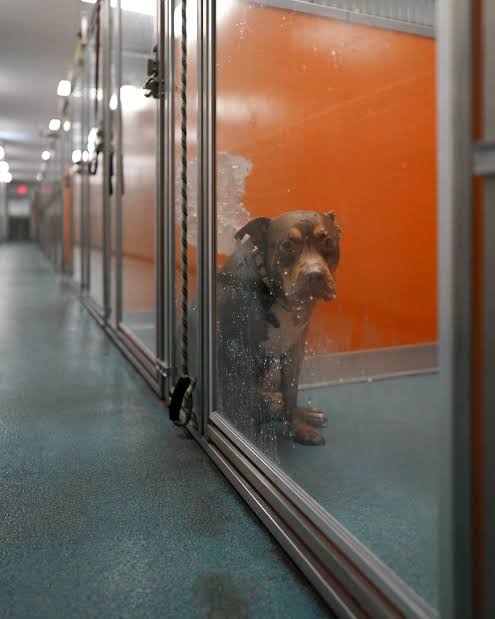
The sights and sounds of a kennel block are obvious to us. We can see the dogs watching from the front of their kennels, and we can hear the doors, the bowls and the barking carrying down the row. What's far less obvious is the impact on smell. We can't smell what a dog smells, so it's easy to overlook what the space is like for the sense they rely on most: strong cleaning products, lots of other dogs, and the same few scents day after day.
That's a missed opportunity. Dogs have a strong need to sniff, search and explore, and when we meet that need we can also meet others at the same time: choice, control, mental stimulation, calm and confidence. Better still, scent work is cheap, quick and easy to build into routines you already have.
Here are some practical ways to do it.
Why smell matters
For a dog, sniffing isn't a bonus activity, it's how they gather information. A kennel can be a very predictable place, with the same four walls, the same routine and the same smells. Scent is one of the simplest ways to add variety without adding chaos, because the dog is in charge of how much they investigate and how fast.
It's also a naturally calming activity for many dogs. Searching is slow, focused work, and when it's set up well it tends to leave a dog settled rather than wound up.
Sniffing time on walks
The easiest place to start is a walk you're already doing. Instead of a walk that's about distance or pace, let the dog lead and stop where they want to. Think of it as a sniffing walk rather than an exercise walk.
A few things help:
- Let them choose. Follow the dog where it's safe to, rather than steering them on every few steps.
- Pick the right spot. A quiet area with plenty to investigate often works better than covering lots of ground, especially for dogs who struggle in busy environments.
- Use a longer lead where you can. A bit of extra length gives the dog room to explore without constant tension.
Ten minutes of proper sniffing can tire a dog out more than a brisk march, and it gives them something they rarely get in kennels: control over where they go and what they investigate.
Scatter feeding
Scatter feeding means spreading food across the floor, the grass or a snuffle mat instead of using a bowl. The dog has to search for every piece, which stretches out mealtimes and gives them a job to do.
It's a calm, low-arousal activity, so it works well at times when you want a dog to settle afterwards. A few tips:
- Start easy. A small, open area with food that's easy to find builds confidence before you make it harder.
- Make it harder gradually. Use longer grass, more space or a snuffle mat once the dog has the idea.
- Count it in their daily allowance. If you're using their meals, there's no extra food to account for.
Scent trails
Drag a treat along the ground and leave it at the end, in the kennel, the garden or a corridor. The dog follows the trail with their nose and finds a reward at the end.
Start short and straight, then lengthen the trail and add turns as the dog gets the idea. It's a good way to build confidence in a dog who's new to searching, and a trail leading back into the kennel can help make the return something to look forward to.
Novel scents
Introducing new smells gives a dog something different to investigate without needing a new toy or a new space. Dog-safe herbs or other items placed in the kennel, or on a cloth or in a box, add variety, and rotating what you use keeps it interesting.
A few cautions:
- Check safety first. Make sure anything you use is safe for dogs, and avoid anything toxic or strongly scented, such as essential oils. If you're unsure, check with your vet or welfare team.
- Introduce gradually. Offer a new scent for a short time and watch how the dog responds.
- Watch for stress. Some dogs find strong smells more stressful than enriching, so let their reaction guide you.
Search games
This is where scent work really comes into its own. Hide treats or toys around a room, the garden or a corridor and let the dog find them.
Hiding a toy gives the dog something to search for and a calm payoff when they find it. Repetitive throwing and chasing, by comparison, can build arousal and leave some dogs wound up and harder to settle afterwards. Think "find it" rather than "fetch it," and keep the pace slow so the dog is using their nose rather than racing.
- Start with easy finds. Hide items where the dog can see them being hidden, then gradually make them harder to find.
- Keep it calm. A quiet voice and a slow pace keep the focus on searching.
- Use what motivates the dog. A favourite toy or a tasty treat both work, depending on the dog.
Building it into your routine
You don't need a dedicated session. Scent work can ride along on things you already do:
- After a walk. A short search game on return helps the dog settle and makes coming back into the kennel more rewarding.
- At mealtimes. Scatter feeding replaces the bowl and adds enrichment at no extra cost.
- During quiet periods. A scent trail or a few hidden treats gives a dog something to do between busier moments.
- For dogs who struggle elsewhere. Dogs who find busy environments, handling or other dogs difficult can often succeed at scent work, which gives them a confidence boost.
The bigger picture
Meeting a dog's needs isn't about one big activity, it's about lots of small opportunities across the day. Smell is one of the easiest to offer and one of the most valuable, because it gives dogs choice, control and something to do with their natural abilities.
It won't replace the rest of what a dog needs, but as a low-cost layer that works alongside everything else, it's hard to beat.
Want to hear more?
If you'd like to go deeper on scent work and how it can fit into shelter routines, we've covered it on the podcast:
If you'd like support with one of your dogs, click the button below.

0 Comments