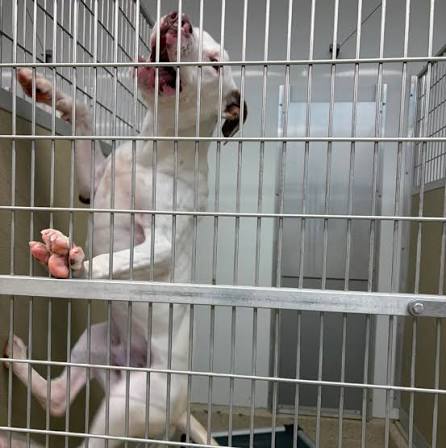
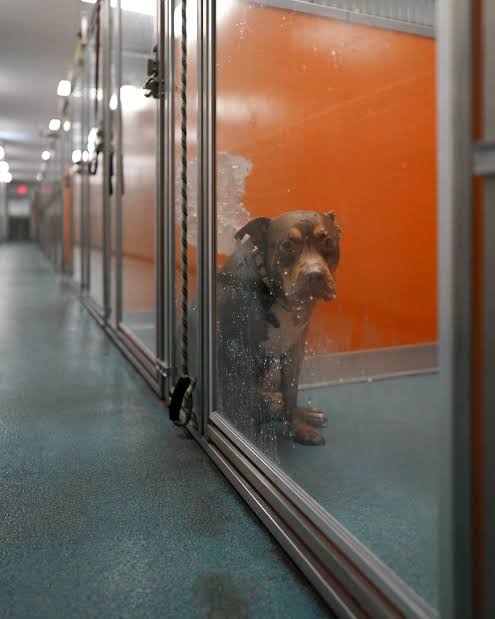
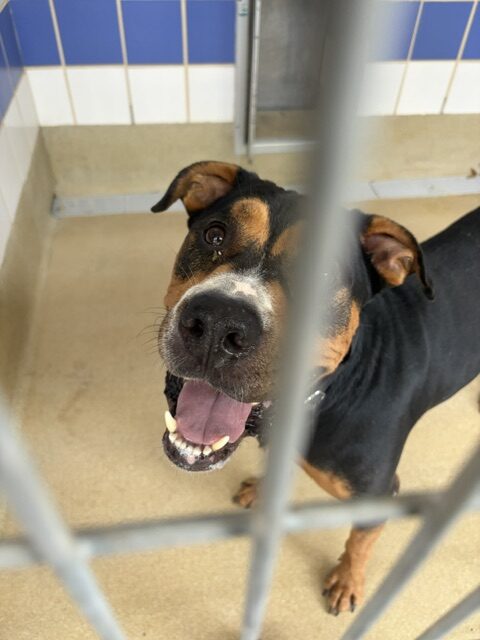
In our last blog, Turning Down the Volume, we talked about every scary noise being a withdrawal from a dog's positive bank account. But noise is only one kind of withdrawal. For a dog in kennels, the day is full of them: new people, new smells, doors banging, routines that change without warning. Even dogs in foster homes and new adoptions are making withdrawals as they learn about a world they don't know yet.
The good news is that deposits don't need to be big or complicated. They can be built into the everyday moments we already have with dogs, and over time they add up to something that matters a lot: confidence.
How the positive bank account works
Think of every dog as having a bank account, and the balance is how much they have to draw on when life gets hard. Every experience either adds to it or takes from it.
Withdrawals are the experiences that cost a dog something. Things like:
- a scary noise
- a new person, place or smell
- being handled when they're unsure
- a change of routine they couldn't predict
- long periods with nothing to do and no say in anything
Deposits are the experiences that give something back. They tend to be times when the dog:
- positive experiences
- fun and play
- positive reinforcement for something they did well
- had a choice
- knew what was coming
- felt safe
The balance matters because it decides how a dog copes. A dog with plenty in the account can take a withdrawal, such as a firework or a vet visit, and recover quickly. A dog with very little in the account has nothing to fall back on, and the same event can push them into overdraft. That's when we see barking, lunging, hiding or shutting down.
A few things are worth keeping in mind:
- Withdrawals come in different sizes. A door banging is small. A night of fireworks is big, and it may take many deposits to recover from.
- Deposits are personal. A lick mat is a deposit for one dog, a game of tug is a deposit for another, and some dogs find a fuss a withdrawal. The dog decides what counts, so watch how they respond.
- The balance changes every day. A dog in kennels starts each day with withdrawals already coming, and a dog newly arrived or newly adopted may start with an account that's very low. Deposits need to be regular, not occasional.
- We can't undo a withdrawal, but we can protect against it. Building the account up before a scary event, and topping it up afterwards, helps a dog bounce back.
Confidence as optimism
One useful way to think about confidence is as optimism. A confident dog expects good things to happen, or at least expects to cope if they don't. A dog low in confidence expects the worst.
Research has measured this using a judgement bias test. Dogs learn that a bowl in one place has food and a bowl in another place is empty, then they're shown a bowl in between. How quickly a dog approaches that ambiguous bowl tells us whether they're expecting good things or bad.
In one study, after two weeks of nosework, dogs approached the ambiguous bowl faster, while dogs doing heelwork didn't change (Duranton and Horowitz, 2019). Activities that let a dog use their nose and make their own choices seem to shift how they see the world. That's what we mean by a deposit.
Everyday deposits
Here are some everyday deposits you can use in kennels, foster homes and new adoptions.
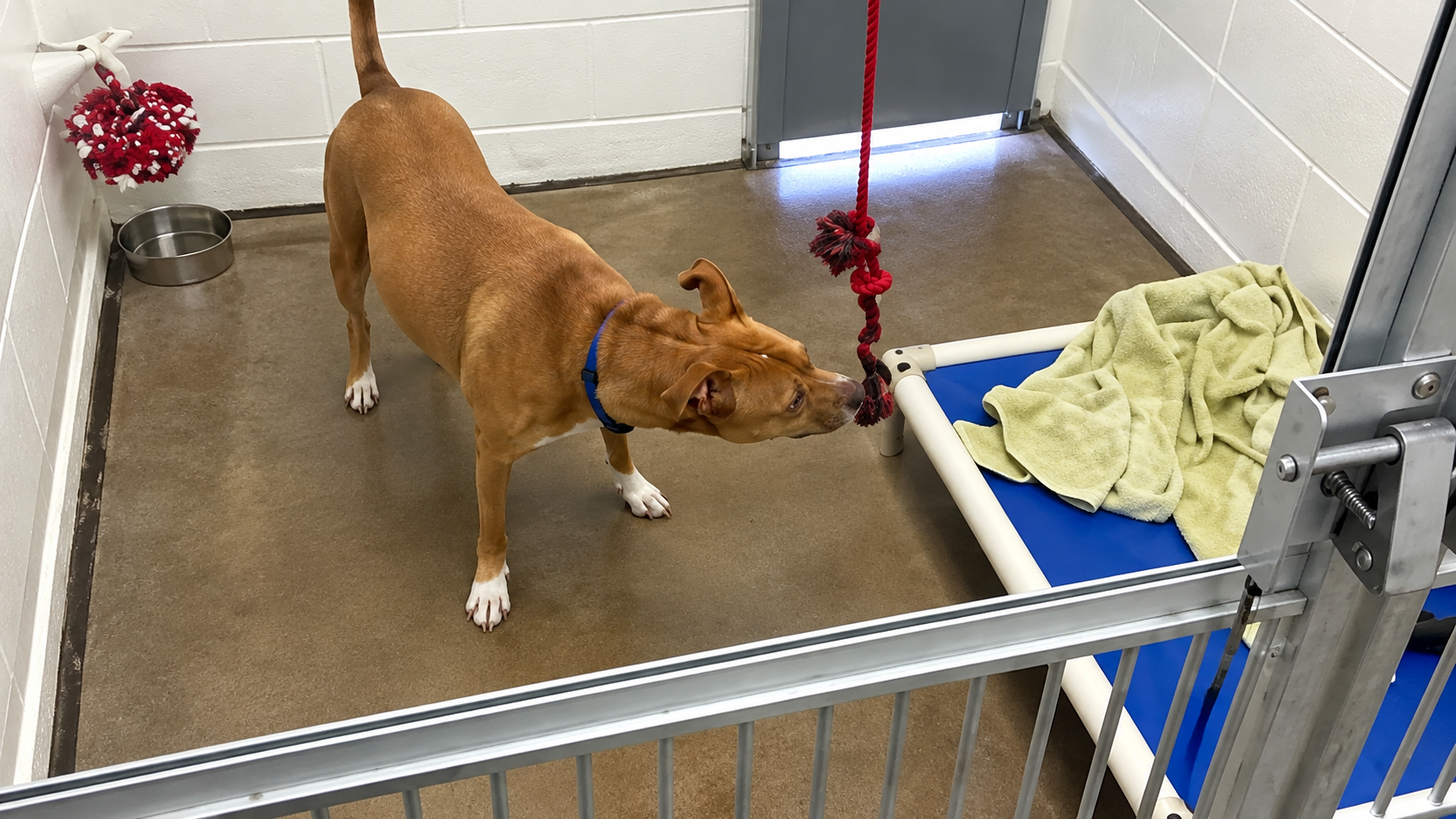
- Varied enrichment. Mix it up with food toys, chews, scent games and different textures, so each day offers something new.
- Rucksack walks. A quiet, pressure-free 15 minute walk with no training and nothing asked of the dog. They choose the pace, the direction and who they spend time with, giving them time to decompress and be with you. The idea comes from Steve at IMDT.
- Time out of the kennel. A break from the noise and activity, in a quiet space, gives the dog a chance to settle and recover.
- Reading programmes. Calm company with no pressure and nothing expected of the dog, which also helps them get used to people.
- Play with dogs or people. Tug, fetch or appropriate play with a person, or with another dog when it suits both of them.
- Simple training. Short, easy sessions give the dog quick wins, and learning that things can change helps with adaptability.
- Free work. Set up a few items with different textures and heights, add some food, and let the dog explore at their own pace.
- Let them choose. Offer two toys or two walking directions, and go with what the dog picks.
- Positive reinforcement. Catch the dog doing something right and reward it, such as a treat for settling, a calm look at you or choosing to come over. Reward what you'd like to see more of.
- Fun and play. Games the dog loves, like chase, tug or a new toy to shred. Fun is a deposit too.
- Sniffing time. Let them stop and sniff on the walk, or set up a treat trail or scatter feed in the run or garden.
- Calm time together. Sit quietly while they chew or lick a mat, with a fuss if they enjoy it.
- Pair new things with good things. Let a new person, place or sound predict a treat or a game.
- Favourite people. A familiar, trusted handler for walks and new experiences.
Small and often
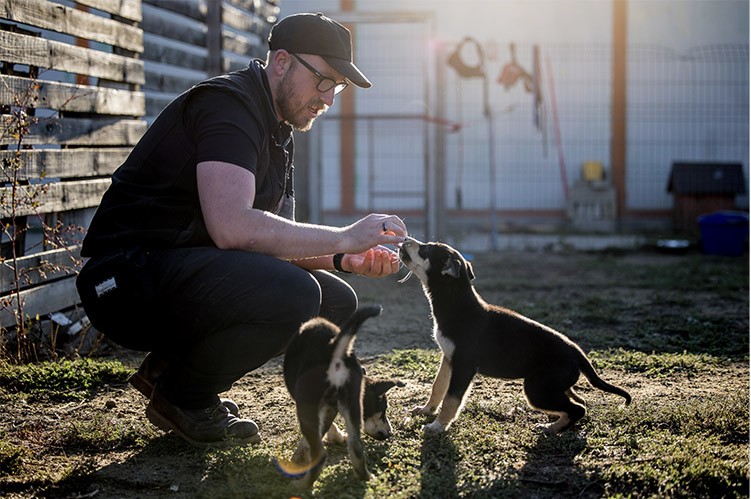
The biggest deposits aren't always the biggest sessions. A few seconds of choice at the kennel door, a sniff at the end of a walk, a treat after a loud bang: these are easy for any member of staff, volunteer, fosterer or adopter to do, and they all count.
It also means that when a withdrawal does happen, such as an unexpected firework or a vet visit, there's more in the account to draw on, and the dog is more likely to bounce back.
The bigger picture
Confidence isn't something we can give a dog in one go. It's built from lots of small experiences where things went well, where they had a say, and where they felt safe. Every deposit counts, and every dog has a chance to build their account, wherever they're living.
Want to hear more?
We talked about a similar theme on the podcast with Jo Middleton. You can listen to the episode here:
https://open.spotify.com/episode/3KprBfWzidXgMJW10urMUS

0 Comments